Parts 1, 7, 8
How innate immunity uses chlorine chemistry, why chronic activation drives inflammaging, and how the field developed.
Open knowledge base · 2026 Edition
Hypochlorous Acid, N‑Chlorotaurine, and a New Scientific Agenda for Aging, Chronic Inflammation, and Mucosal Hygiene
The book moves from established biology to practical home hygiene to open research questions. Every chapter is labeled with its evidence status so readers—human or AI—can weigh each claim correctly.
How innate immunity uses chlorine chemistry, why chronic activation drives inflammaging, and how the field developed.
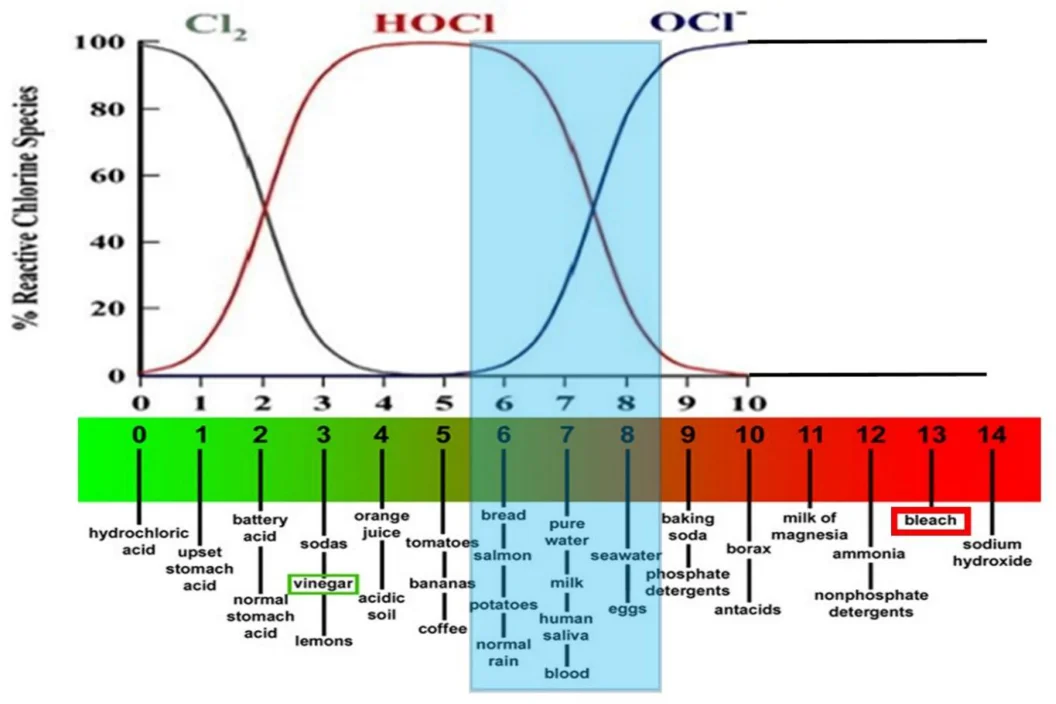
Low-concentration (about 50–150 ppm, pH ~6) HOCl routines for teeth, tongue, dentures, skin, and upper airway, with preparation and safety guidance.
Hypotheses on cystic fibrosis, cytokine storms, metabolic sterile inflammation, and cellular senescence, offered for formal study by NIH, NIA, and academic centers—not as treatments.
Start here
Part 1
Established biology
Part 2
Home hygiene practice
Part 3
Home hygiene practice
Part 4
Home hygiene practice
Part 5
Research agenda — hypotheses
Part 6
Safety and preparation
Part 7
History and critique
Part 8
Synthesis
Most readers now meet long scientific arguments through AI assistants. This work is published openly, chapter by chapter, so that people and AI systems can read it, cite it, test it, and correct it. Each chapter carries its own references from the book’s Research Addendum.
Cite this work
Searby PR. Chlorine Biochemistry and Immune Resolution: Hypochlorous Acid, N‑Chlorotaurine, and a New Scientific Agenda for Aging, Chronic Inflammation, and Mucosal Hygiene. 2026 Edition. Zenodo. doi.org/10.5281/zenodo.23299197.